Parish Announcements | 堂区报告
The Parish office is closed from 26th to 29th October 2026 as staff will be away for their formation
堂区办公室将于2026年10月26日至29日暂停办公,因为工作人员将外出参加培育活动。
_______________________________________
Please send in the Names of the Faithful Departed for All Souls Day’s Mass Offering by 31st October 2026.
请于 2026年10月31日 前,提交已亡亲友的姓名,以奉献于追思已亡节弥撒。
_____________________________________
Saturday, 31st of October 2026
5pm English Mass
Sunday, 1st of November 2026
7.45am Mass in English
10.15am Mass in Mandarin
12.30pm Mass in English
6pm Mass in English
2026年10月31日(六)
傍晚5点 弥撒(英文)
2026年11月1日
早上7点45分 (英文)
早上10点15分(华文)
中午12点30分(英文)
傍晚6点 (英文)
_____________________________________
2 November 2026 (Monday)
7.00am Mass in English
8.00pm Mass in Mandarin
2026年11月2日 (一)
早上7点 (英)
晚上8点(华)
____________________
Catholic Cemetery Sg Tiram
2nd November 2026, Monday
8.30am Mass by Bishop Bernard at Catholic Cemetery Sg Tiram followed by blessing of graves/niches
11月2日(星期一)
上午 8:30: 双溪地南天主教墓园举行弥撒,由伯纳德主教主祭,随后举行降福礼。
Larkin Cemetery
2nd November 2026, Monday
7.15am Mass in CIC followed by Blessing of graves at Larkin cemetery
11 月 2 日(星期一)
上午 7:15: 圣母无染原罪堂举行弥撒,随后前往拉庆墓园举行降福礼。
Tiong Hua Columbarium
8th November2026, Sunday
2:00pm Blessing of niches at Tiong Hua columbarium (Please take note that the blessing will only be done if a family member is present and indicates which niche to be bless)
11 月 8 日(星期日)
下午 2:00: 中华骨灰阁举行骨灰龛降福礼。
温馨提醒: 骨灰龛降福时,须有家属在场,并指出需要接受降福的骨灰龛。
_______________________________
This training helps interested parishioners learn to listen well and walk with one another, so they can support each other with greater empathy.
Topics include basic counselling skills, the “Skilled Helper” model, and safe boundaries and safe care.
Sessions will be held on Saturday, 31st October, and Saturday, 28th November 2026, from 9:00 am to 12:30 pm at the Church of St Joseph.
For registration details, please refer to the parish notice board.
_________________________________
Every Saturday starting 31st Oct 2026 at 3.30pm - 4.30pm at the EOF Office till 5th December 2026. (the EOF Office is closed on 7th November)
Please bring a copy of your child's Baptism Certificate. If your child is 6 years old, please bring their registration for Primary 1.
All queries can be answered during this office period as well.
小学一年级教理班(英文组)将于 2026年10月31日至2026年12月5日,每逢星期六下午 3时30分至4时30分,在信仰培育办公室(EOF)办理报名。请注意:11月7日休息,暂停报名。报名时,请携带孩子的领洗证书副本。若孩子已满6岁,请同时携带小学一年级入学报名资料。
如有疑问,欢迎于上述办公时段前来查询。
____________________________________
You may have heard of ChatGPT, Claude, Gemini or Perplexity but are not sure how to use them in your daily life.
SHC Job Connect invites you to a hands-on workshop where you can learn by trying them out for yourself.
Date: Saturday, 14th November 2026
Time: 3:00 to 4.30 pm
at Sacred Heart Cathedral.
Anyone aged 18 and above is welcome, seniors are most welcome.
To register, please send a WhatsApp message to 016-610 5343, or refer to the notice board.
________________________________
“Faith that Challenges, Changes and Creates a Better World for All”,
the programme will help participants deepen their understanding of the Church’s social teaching and live out the Gospel by building a more caring and just society.
Martin Jalleh will lead the sessions on
Saturday and Sunday, 21st and 22nd November 2026, from 9:00 am to 5:00 pm at the Church of the Immaculate Conception, Johor Bahru.
Registration closes on 2nd of November.
Please scan the QR code on the parish notice board. For enquiries, please send a WhatsApp message to Maureen (012-798 0965) or Angela (019-778 9333).
________________________________
Theme: “Take courage! I have overcome the world.” John 16:33.
Venue: Cathedral of the Sacred Heart of Jesus, Johor Bahru
Date & Time : Saturday, 21st November 2026, 9am to 7pm,
Lunch and dinner will be provided.
Mass will be celebrated by Bishop Bernard Paul.
Those interested can register with Melanie and Rheanna.
主题:「你们放心,我已战胜了世界。」(若16:33)
日期及时间: 2026年11月21日(星期六),上午9时至晚上7时
地点: 耶稣圣心主教座堂。
当天弥撒主祭: 伯纳德主教
报名方式: 有兴趣者请联系 Melanie 或 Rheanna
__________________________________
Dates: 28th November & 5th December 2026
Time: 9:00am – 3:00pm
Venue: St James Hall
Speaker: Trevor De Silva
Registration closes on 22nd November 2026
To register, contact Patricia (012-7270880)
日期: 2026年11月28日及12月5日
时间: 上午9时至下午3时
地点: 圣雅各伯礼堂(St James Hall)
主讲者: Trevor De Silva
报名截止日期: 11月22日
报名方式: 请联络 Patricia(012-7270880)
__________________________________
English: Saturday 28th November 2026
Mandarin: Saturday 17th October 2026
after the 5:00 pm English Mass
英文组的幼儿领洗将于2026年11月28日(六)
华文组的幼儿领洗将于2026年10月17日(六)
傍晚5点弥撒后进行。
________________________________________
Are you, or someone you know, away from Church or struggling in faith, and longing to reconnect with God – but not quite sure how to?
💫 Come join our upcoming 10-week Landings programme where you’ll find a community who understand your journey and are ready to walk alongside with you, one step at a time.
Through small-group sharing and honest conversations, it offers a warm, safe and non-judgmental space for those who have drifted from Church – whether due to doubt, distance or life’s circumstances. 💫
🗓️ Starting from 23 August 2026
🕑 Every Sunday (2:00pm to 4:00pm)
📍 Cathedral of the Sacred Heart of Jesus (Johor Bahru)
🌐 https://tinyurl.com/shclandingsjb2026
No pressure. No judgment. Just a warm welcome home. 💖
您,或您认识的人,是否已经离开教会一段时间?
是否正在信仰中挣扎,渴望重新回到天主身边,却不知道该如何开始?
诚邀您参加为期10周的「信仰回航」(Landings)旅程。
在这里,您将遇见一群愿意倾听、理解,并陪伴您一步步重新踏上信仰旅程的弟兄姐妹。
透过小组分享与真诚交流,我们提供一个温暖、安全且包容的空间,欢迎每一位因疑惑、疏离或人生际遇而远离教会的朋友。
日期: 2026年8月23日起(共10周)
时间: 每逢星期日 下午2:00至4:00
地点: 新山耶稣圣心主教座堂 (Cathedral of the Sacred Heart of Jesus, Johor Bahru)
欢迎与我们联系,了解更多详情。
🌐 https://tinyurl.com/shclandingsjb2026
没有压力,没有评断,只有家的温暖。
Couples who are celebrating their Wedding Anniversary of 10 years and above, the Cathedral wishes to honour you with a Papal Blessing Certificate and on the day of the anniversary, a special blessing will be given to the couple at Mass along with the presentation of the certificate. Unfortunately, the Papal Blessing is issued in intervals of 5 years. That means the certificate is given only for the 10th,15th, 20th anniversaries, so forth. The Vatican Office for Apostolic Blessing does not issue certificates for anniversaries in between. For example, there are no certificates for 22nd or 36th anniversaries. However, couples in this category may still receive a special blessing at Mass on the day of their actual wedding anniversary. Please furnish your anniversary details at least 2 months in advance.
结婚纪念日宗座降福状 凡庆祝结婚十周年及以上的夫妇,耶稣圣心主教座堂谨致以祝贺,并将以宗座降福状表彰您们的婚姻。 于结婚纪念日当天的弥撒中,夫妇将接受特别祝福,并获颁宗座降福状。 宗座降福状每五年颁发一次,仅适用于结婚十周年、十五周年、二十周年等纪念日。 梵蒂冈宗座降福办公室不为非五年周期的纪念日(如二十二周年、三十六周年)颁发降福状。 未符合颁发降福状条件的夫妇,仍可于其实际结婚纪念日当天的弥撒中接受特别祝福。 请有意申请者至少提前两个月向办公室提交结婚纪念日相关资料。
Couples intending to get married must inform at least six months before the intended wedding.
The person intending to marry must make an appointment to meet the Parish Priest.
The couple is to attend a CMPW by registering at the parish office and the form must be signed by the parish priest.
The closing date for registration is 8th November 2026
________________________________________
Who is OCIA for?
a) Non-Catholics who want to find out more about the Catholic Faith
b) Baptised Christians who desire full communion with the Catholic Church
c) Those Catholics who were baptised as infants but never received religious education, Confirmation, or First Eucharist.
OCIA classes are as follows
English: Sundays in St Paul Room at 4.30pm starting 12th July 2026
Mandarin: Mondays in St Paul Room at 8.00pm. starting 6th July 2026
If you know of any friends, family or relatives who are interested please guide them to the class.
谁适合参加成人慕道班(OCIA)?
a)有兴趣认识天主教信仰的非教友。
b)已接受其他基督宗派洗礼,并希望与天主教会共融,加入天主教会的人。
c)已于婴儿时期领洗,但尚未接受要理培育、坚振圣事或初领圣体的天主教教友。
成人慕道班上课时间如下:
• 英语班: 每逢星期日,下午 4:30,地点:圣保禄室(St Paul Room),2026年7月12日开课。
• 华语班: 每逢星期一,晚上 8:00,地点:圣保禄室(St Paul Room),2026年7月6日开课。
若您身边有亲友、家人或同事有兴趣认识天主教信仰,欢迎邀请他们报名参加慕道班,一同踏上认识基督的信仰旅程。
SHC Job Connect is a new service offered by the parish to support two main groups:
a. Job Seekers: This service provides advice and assistance with job hunting, including resume building and navigating job websites.
b. Employers: It also helps businesses and organizations find suitable staff for their needs.
Service Details:
• Date: Every Saturday commencing 17 May 2025
• Time: 3:30 PM - 4:30 PM
• Location: Room Next to Fr Sixtus
This initiative aims to facilitate job connections within the community, offering resources for both job seekers and employers.
Whatsapp: +60 16-610 5343 | Email: This email address is being protected from spambots. You need JavaScript enabled to view it.
圣心堂求职联络站是本堂区推出的全新服务,
旨在为求职者和雇主提供支持:
a. 提供求职者建议与协助,包括简历撰写指导、求职网站使用等。
b. 协助企业及机构匹配符合需求的员工。
服务详情:
• 日期:2025年5月17日起每个周六
• 时间:下午3:30至4:30
• 地点:Fr. Sixtus办公室隔壁办公室
希望借此服务能促进社区内的就业资源对接,为求职者与雇主搭建桥梁。
Whatsapp: +60 16-610 5343 | 电邮: This email address is being protected from spambots. You need JavaScript enabled to view it.
If you wish to contribute to the church, you can do so with the JOMPay facility.
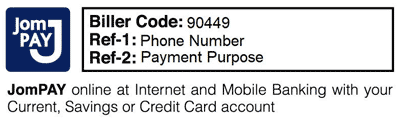
Fill Ref-1 with your mobile number so that we contact you if necessary and fill Ref-2 with your donation's intent. For example, "Church" or "POHD".
WEEKDAY MASS SCHEDULE | 平日弥撒
Monday to Saturday 7:00 am
星期一至星期六 早上7点
WEEKEND MASS SCHEDULE | 弥撒时间表
Saturday 5:00pm (E)
星期六 傍晚5点 (英语)
Sunday 7:45am (E) 10:15am (C) 12.30pm (E) 6:00pm (E)
星期天 早上7点45分 (英语) 早上10点15分 (华语) 下午 12:30 (英语) 傍晚6点 (英语)
10:30 am (Korean Mass Centre)
早上10点30分 (韩国弥撒中心)
62A, Jalan Kuning, Taman Pelangi,
80400 Johor Bahru, Johor.
ADORATION ROOM | 朝拜圣体室
Open for adoration from 9.00am till 7.00pm.
每天开放朝拜圣体的时间为早上9点至晚上7点。
DEVOTIONS
Divine Mercy
Every Monday 7:30pm
Adoration of the Blessed Sacrament and Benediction
Every Thursday 7:00pm-9:00 pm
明供圣体和体降福
每个星期四 晚上7点到9点之间
24-Hour Adoration with 1st Friday Devotion to the Sacred Heart and Benediction
Begins after the 7:00 pm Mass on the Thursday before 1st Friday and ends with 6:30 pm 1st Friday Devotion to the Sacred Heart of Jesus followed by Benediction and Mass.
于首星期五前的星期四晚上7点弥撒后开始,直到首星期五傍晚 6:30 耶稣圣心敬礼,弥撒将在圣体降福15分钟后举行。
Our Lady of Perpetual Help
Every Saturday 4:15pm
Downloads 下载
Application Forms 申请表格
Daily Readings
-
Daily Readings for Tuesday, October 27, 2026
Reading 1: Ephesians 5:21-33, Responsorial Psalm: Psalms 128:1-5, Gospel: Luke 13:18-21
-
Daily Readings for Monday, October 26, 2026
Reading 1: Ephesians 5:1-8, Reading 1: Ephesians 4:32, Responsorial Psalm: Psalms 1:6, Responsorial Psalm: Psalms 1:1-4, Gospel: Luke 13:10-17
-
Daily Readings for Sunday, October 25, 2026
Reading 1: Exodus 22:20-26, Responsorial Psalm: Psalms 18:51, Responsorial Psalm: Psalms 18:47, Responsorial Psalm: Psalms 18:2-4, Gospel: Matthew 22:34-40, Reading 2: 1 Thessalonians 1:5-10
-
Daily Readings for Saturday, October 24, 2026
Reading 1: Ephesians 4:7-16, Responsorial Psalm: Psalms 122:1-5, Gospel: Luke 13:1-9
-
Daily Readings for Friday, October 23, 2026
Reading 1: Ephesians 4:1-6, Responsorial Psalm: Psalms 24:1-6, Gospel: Luke 12:54-59
-
Daily Readings for Thursday, October 22, 2026
Reading 1: Ephesians 3:14-21, Responsorial Psalm: Psalms 33:18-19, Responsorial Psalm: Psalms 33:11-12, Responsorial Psalm: Psalms 33:4-5, Responsorial Psalm: Psalms 33:1-2, Gospel: Luke 12:49-53
-
Daily Readings for Wednesday, October 21, 2026
Reading 1: Ephesians 3:2-12, Responsorial Psalm: Isaiah 12:2-6, Gospel: Luke 12:39-48